Facilitator Resources
Building The Capacity Of Educators
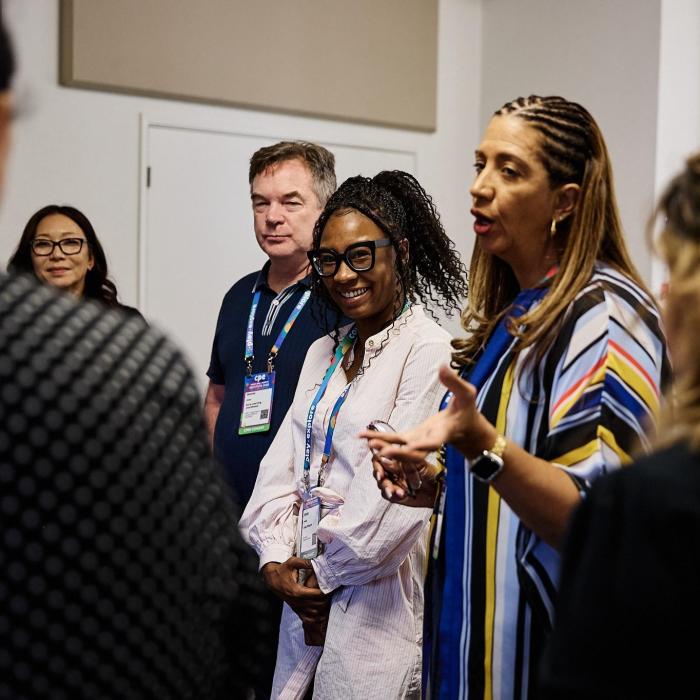
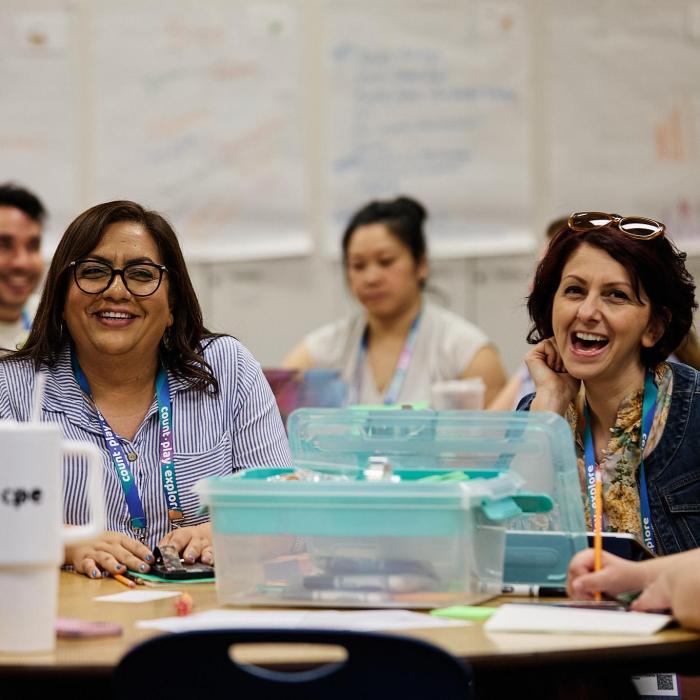
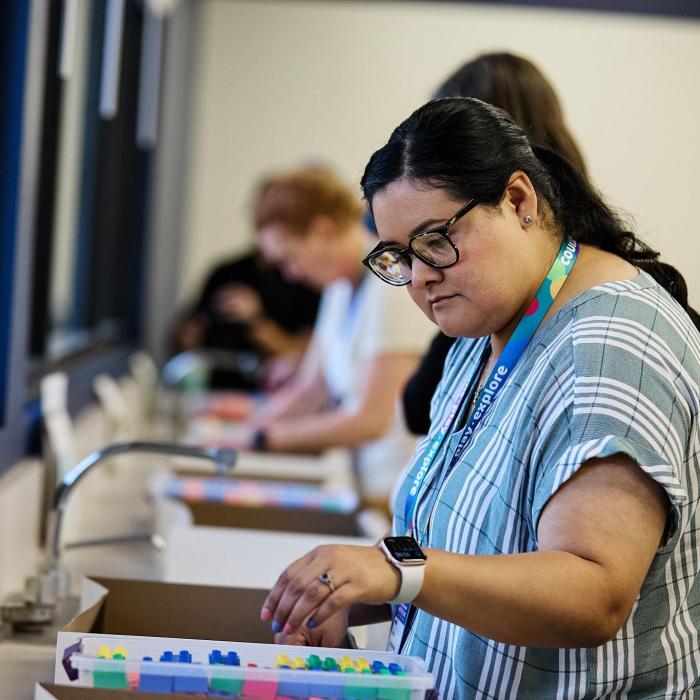
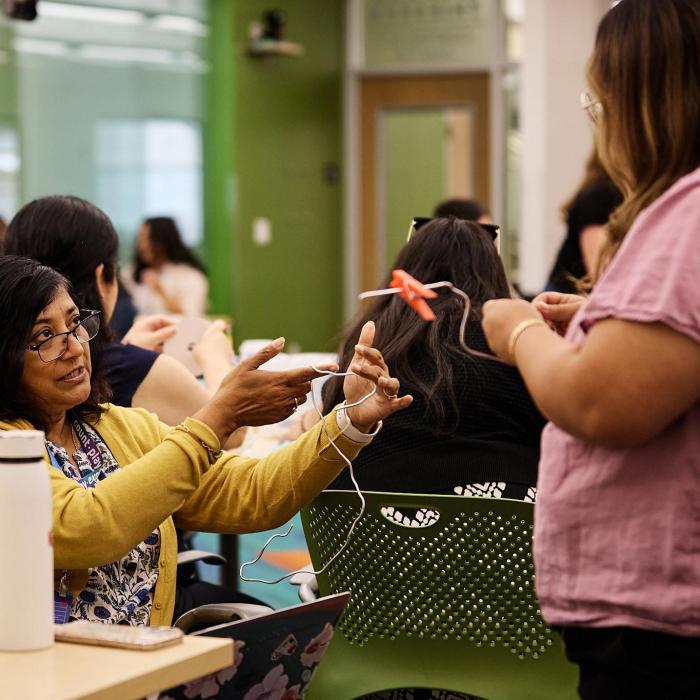
Suites of resources on a range of early STEAM topics for facilitators and coaches to use in professional learning with educators.
Successful math, science, and computer science efforts begin with P–3 alignment in leadership, vision, and resources.
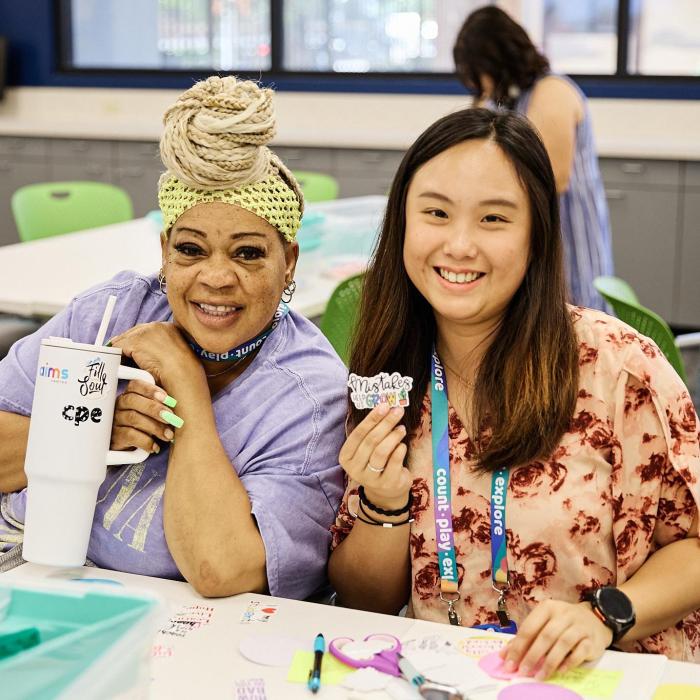
P–3 alignment requires a leadership team that is representative of those involved in children’s learning across different levels, including education leaders, P–3 educators, and families. A leadership team helps establish priorities, make decisions, and determine approaches for P–3 alignment in math, science, and computer science. The perspectives of educators and families are central in building systems and approaches that support continuity of children’s learning within and across grades.
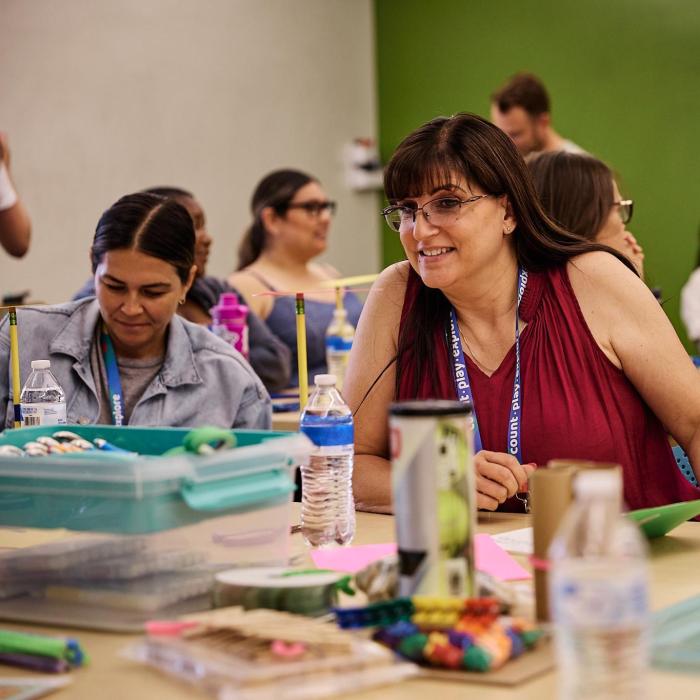
A P–3 vision represents the goals and desired outcomes for learning in math, science, and computer science across preschool through third grade. It helps guide decisions about professional learning, curricula, and assessments and how learning expectations, or standards, are addressed. The vision may be in the form of a vision board, a statement in a document, or an infographic and shared widely across administrators, educators, and families.

P–3 approaches need dedicated resources that ensure P–3 math, science, and computer science efforts are prioritized and implemented in a sustainable way. Dedicated funding and resources support the planning and implementation of P–3 efforts, curricula, and assessment tools that strengthen continuity and professional learning and coaching for P–3 educators.
Other than direct funding, P–3 approaches might require protected staff time, meeting spaces, data and documentation systems, educational materials, and tools for continuous improvement (such as rubrics or observation protocols). Although your role may not deal directly with funding and resources, evidence and examples of P–3 alignment can help communicate its importance and impact to leadership who make decisions about how to allocate resources.
Reflect:
How might your agency work (or continue to work) toward building a P–3 leadership team with shared responsibilities, a clear vision, and resources to promote P–3 alignment in math, science, and computer science? What else might help promote P–3 alignment at your agency?

P–3 approaches are tailored to the context, strengths, and needs of your setting. Each agency will have different priorities, roles, and systems to build P–3 alignment.
Review the case study, featuring an agency that recently participated in CPE, describing how the agency approached alignment in their P–3 leadership, vision, and resources across grade levels.

A small school district in Central California has participated in various statewide math initiatives for over a decade. Participating in CPE provided the funds to invest in the earliest grades as they built a coherent math approach across the district.
As part of their commitment to math, the district has developed a unified vision for math that is shared by district leaders, staff, and educators. To achieve their vision, the district has established systems that have enabled leaders, professional learning facilitators, and educators to communicate regularly about their early math efforts, ensuring alignment on goals and priorities for math teaching and learning. One district leader expressed,
“The district has a clearly articulated vision for math teaching and learning. It really becomes this guiding driving force that’s helped to further the work and connect all of these efforts across grade levels.”
The district has adopted a math curriculum for TK–3 and introduced a new assessment for TK–3 children, designed to provide a clear understanding of children’s math strengths and areas for growth.
District leaders and school principals routinely conduct classroom observations to understand and calibrate math instruction across TK–12 classrooms. Following these experiences, leaders meet regularly to discuss reflections and enhance their understanding of children’s math development and the teaching experiences of educators. Professional learning and coaching is also coordinated across TK–4 and 5–8 grades, ensuring consistency across grade levels.
Reflect:
What approaches did you notice in the case study that helped the district build P–3 math alignment? What approaches could your agency implement in your own P–3 efforts in math, science, and computer science?
Educators across preschool through third grade have an important role in building P–3 alignment. They can enhance the connections across age levels in math, science, and computer science by helping to bridge the learning of children in their age group or grade to the learning that happens before and after.
Supporting educators in P–3 alignment entails opportunities for shared professional learning experiences. During professional learning, educators can collaboratively explore learning expectations (like foundations or standards) across the P–3 continuum and plan for curricula and assessments that build connections and promote curiosity, inquiry, and engagement from grade to grade. Educators also benefit from engaging families in the process of building P–3 alignment.

Multigrade, professional learning and coaching focused on math, science, and computer science brings educators from across age groups and grades together to learn new skills or approaches and learn from each other. Demonstrations, classroom visits, and peer observations across grades help enhance educators’ teaching toolbox to align teaching approaches from grade to grade.

Professional learning can also create opportunities for educators to review P–3 learning progressions and plan for math, science, and computer science learning experiences that build on each other across grades. Understanding learning expectations across ages and grades helps educators individualize their practices and support children’s learning over time.
In California, the P–3 Learning Progressions in math and science provide an overview of the alignment between the Preschool/Transitional Kindergarten Foundations (PTKLF) and K–3 standards. The Progression of California K–12 Computer Science Standards document includes an overview of the alignment of Computer Science Standards for California Public Schools.

Offering shared planning time for preschool through third grade educators encourages understanding of learning that takes place across grades and consistency in teaching approaches. Educators can consider the P–3 vision and standards for math, science, and computer science and plan learning experiences and assessments accordingly to help support children’s learning progressions. Educators can use journals or planning tools to record questions, reflections, and action steps from collaborative planning sessions that they can implement in their learning settings.

Educators benefit from approaches and strategies to engage families as partners in children’s learning within grades and as they transition to new learning settings. By sharing insights with families about what and how children are learning in math, science, and computer science over time, educators can collaborate with families to build on children’s strengths and address any learning challenges they may experience. Educators can also learn from families about children’s experiences at home, cultures, and languages as assets that help enhance teaching and children’s learning. Refer to the self-study module STEAM Family Engagement for more ideas on how to partner with families to support children’s learning across preschool through third grade.
Watch the video featuring a facilitator from a participating CPE agency describing how they provide professional learning and coaching to enhance P–3 alignment.
Reflect:
How might your agency implement a similar approach that provides professional learning and coaching across grades to strengthen P–3 math, science, and computer science learning? What supports or resources might you need to do this?
Modules for leaders, professional learning facilitators, and coaches to build their knowledge and skills in how to provide early STEAM professional learning.
Suites of resources on a range of early STEAM topics for facilitators and coaches to use in professional learning with educators.
Copy the link below to share this resource with students, families and colleagues, or to save for later.